 Image 1 of 1
Short Biography
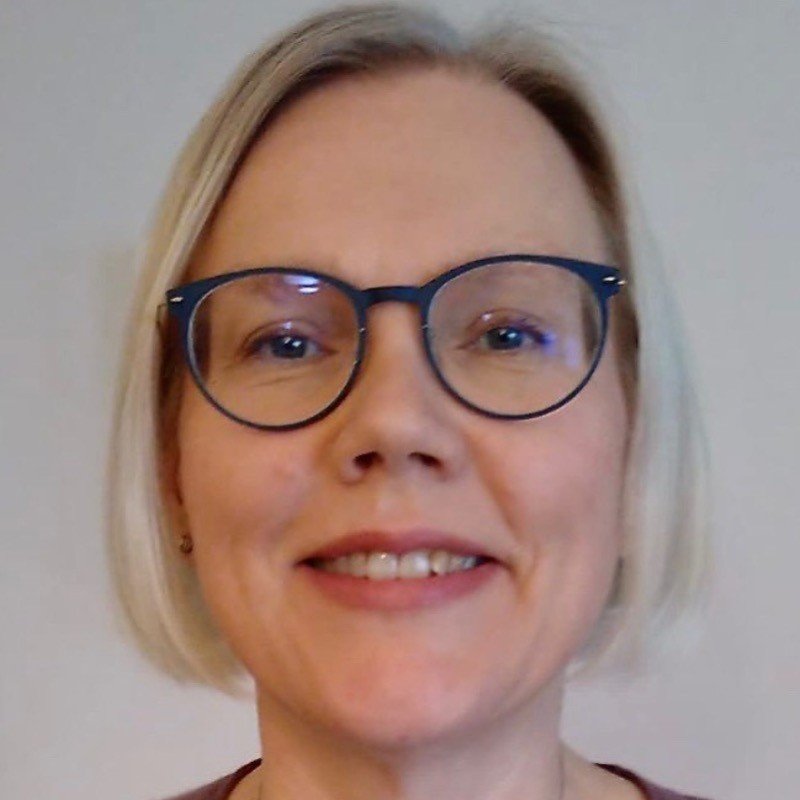
Hanna Wacklin-Knecht is the Head of the Scientific Support Division at European Spallation Source (ESS) in Lund, Sweden, and also. works at the Division of Physical Chemistry at Lund University as an adjunct senior lecturer in 2014. Herresearch interests include biophysical chemistry of lipids and proteins at interfaces, including their formation, structure and interaction with bioactive molecules such as enzymes, toxins and antimicrobial agents.
She obtained her PhD in Physical Chemistry at University College, Oxford University in 2003, which was followed by postdoctoral positions at the Physical Chemistry Laboratory at Oxford University and at the National Deuteration Facility at ANSTO in Sydney. Prior to her appointment as Instrument Scientist at ESS, she was instrument co-Responsible for FIGARO Neutron Reflectometer at ILL in Grenoble.
AMBER postdoctoral fellowship subject (final call)
Structural and functional characterisation of membraneprotein complexes in stealth nanocarriers using SEC-SANS
We seek a highly motivated postdoc with strong analytical and experimental skills for the development of biologically deuterated lipid nanodiscs and their application to studying the structure and function of membrane proteins using small-angle neutron scattering (SANS) utilizing in-situ size-exclusion chromatography (SEC) to obtain high-quality samples.
Membrane proteins constitute up to 60% of all known drug targets, but elucidating their structure and function remains challenging because they are dependent on a lipid membrane environment. While great advances have been made in structural biology of proteins in recent years using high-resolution diffraction (X-ray, neutron, electron) methods and electron microscopy in particular, this has created an even greater demand for the development of in-situ experiments that can probe the structural basis of membrane protein function in the physiologically relevant solution environment. However, membrane proteins in solution need to be embedded in a lipid-like carrier, such as lipid nanodiscs, to stabilise their transmembrane domains and preserve function. Reconstituting a membrane protein into nanodiscs for SANS and other scattering techniques requires optimisation, pre-characterisation and either off-line or in-line size-exclusion (SEC) chromatography to obtain structurally homogeneous and monodisperse samples. A key part of the methodology for neutron scattering is deuteration for contrast matching the nanodisc to the solution enviroment, thus revealing only the membrane protein structure.
The methodologies for producing and using such stealth nanodiscs to determine membrane protein structures usind SANS are well-established, and in this project at ESS we aim to extend their applications by developing experiments to probe protein-protein interactions and complex formation relevant for membrane protein function in health and disease.
Duties and Responsibilities
The project will involve participating in establishing the full experimental pipeline for membrane-protein nanodisc studies at ESS, but with the main duties focusing on methodologies for protein deuteration and characterisation of the nanodiscs, as well as the expression and reconstitution of membrane proteins. The samples will be used for setting up and commissioning the SEC-SANS capability on the Loki SANS instrument in close collaboration with the instrument team, after initial training with Dr. Anne Martel at ILL where a similar experimental pipeline is already established for the D22 instrument.
The methodologies developed will be applied to probing complex formation by nanodisc-embedded membrane proteins, including the apoptosis-regulating Bcl-2 and Bax protein complex, as part of an established collaboration with Prof. Gerhard Gröbner’s group at Umeå University.
Neutron experiments will be carried primarily on the Loki instrument at ESS when available for early use, but also at international facilities, requiring the ability and availability to travel for beamtime.
Other duties will include:
Research and collaboration within the subject area, as defined in the research work plan set up for the project
Participation in the AMBER training programme and activities
Participation in on-going activities relevant for the project at ESS, as well as the Lund protein production platform (LP3).
Collaboration with ESS scientists and participation in group meetings and facility events
Administration and laboratory maintenance related to the work duties listed above
Location: Lund, Sweden
Organisations: European Spallation Source ERIC
Links
AMBER call in EURAXESS main call (starting point for application)
Hanna Wacklin-Knecht's profile in Lund University Research portal